



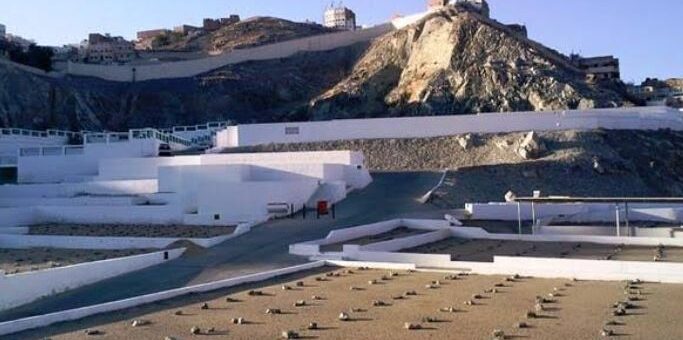
Al-Mualla Cemetery, also known as Jannat al-Mualla or Al-Hajun, is one of the oldest and most historically significant burial grounds in Makkah. Situated north of Masjid al-Haram, the cemetery has been associated with the people of Makkah since the pre-Islamic period. For Muslim visitors, it is not simply an old cemetery but a place closely connected with the life of Prophet Muhammad ﷺ and the earliest generations of Islam.
Umrah Package by Bus from Sharjah
The cemetery is especially remembered because several members of the Prophet’s family are traditionally believed to have been buried here. Among them is Khadijah bint Khuwaylid (RA), the beloved wife of the Prophet ﷺ and one of the earliest believers in his message. The graves of his grandfather Abd al-Muttalib and uncle Abu Talib are also traditionally associated with Al-Mualla. Historical traditions further connect the cemetery with other members of Quraysh and early Muslims.
A Cemetery With Deep Historical Roots
Al-Mualla was known in early sources as Al-Hajun. It served as a burial place before Islam and continued to be used after the beginning of the Prophet’s mission. Its connection with the Prophet’s family gives the site a special place in the history of Makkah.
Over later centuries, various graves were marked with domes and structures. Accounts from travelers describe numerous decorated tombs within the cemetery. These structures, however, no longer exist. During the twentieth century, the tomb structures at Al-Mualla were removed as part of wider changes to historic cemeteries and sacred sites in the region.
Umrah Package by Air from Sharjah
Today, the cemetery has a much simpler appearance. This simplicity can make the visit feel very different from descriptions of earlier centuries, when identifiable tombs and domes helped visitors recognize particular burial sites.
How to Approach Ziyarat
A visit to Al-Mualla should be approached with respect, humility, and an awareness that it is a cemetery rather than a conventional tourist attraction. The purpose of ziyarat is to remember death, reflect on the lives of those who came before us, and pray for the deceased.
Umrah Package by Bus from Dubai
Before visiting, it is helpful to learn about the people associated with the cemetery. Knowing the story of Khadijah (RA), for example, can transform the visit from a brief stop into a meaningful reflection on her sacrifices, faith, and support for the Prophet ﷺ.
When visiting, maintain appropriate cemetery etiquette. Speak quietly, avoid unnecessary photography or disturbance, and respect other visitors. A visitor may offer salam to the people of the graves and make sincere supplication to Allah for their forgiveness and mercy. The focus should remain on remembrance and prayer rather than treating the graves as objects of worship.
What to Keep in Mind
One important point is that the exact position of many individual graves cannot be established with certainty today. Historical traditions identify particular people with Al-Mualla, but the modern cemetery does not provide clearly preserved markers for every traditional burial. Visitors should therefore be cautious about claims that point to a specific patch of ground as the unquestionably verified grave of a particular person.
Umrah Package by Air from Dubai
Al-Mualla ultimately offers something deeper than a list of famous names. It connects visitors with the human story of early Makkah: families, loss, faith, sacrifice, and the passing of generations. A respectful ziyarat can therefore become an opportunity to pause amid the activity of Makkah and remember the temporary nature of worldly life.
For pilgrims, the most meaningful approach is simple: arrive with respect, learn the history beforehand, observe proper cemetery etiquette, offer prayers for the deceased, and leave with a renewed appreciation for the people whose lives shaped the history of Islam.




No Comments