



Makkah is much more than a destination for Hajj and Umrah. For Muslims around the world, it is a place where faith, history, and devotion come together. Its streets and mountains preserve memories connected with Prophet Ibrahim, Prophet Ismail, Prophet Muhammad, and generations of believers who came before us. Visiting its historical sites can add a deeper sense of meaning to a pilgrimage, helping pilgrims appreciate the events that shaped Islamic history.
Masjid al-Haram and the Kaaba
At the heart of Makkah stands the Kaaba, located within Masjid al-Haram. Muslims face the Kaaba during their daily prayers, making it one of the most significant places in Islam. According to Islamic tradition, Prophet Ibrahim and his son Prophet Ismail raised the foundations of the Kaaba as a place dedicated to the worship of Allah.
The mosque surrounding it has expanded greatly over the centuries to accommodate the growing number of worshippers. For pilgrims, seeing the Kaaba and performing Tawaf around it is often one of the most emotional moments of the journey.
Safa and Marwah
Safa and Marwah are two small hills within Masjid al-Haram. The area between them is associated with the story of Hajar, the wife of Prophet Ibrahim, and her search for water for her young son Ismail.
Hajar’s determination and trust in Allah are remembered by pilgrims through Sa’i, the ritual of walking between Safa and Marwah seven times. What may appear to be a simple walk carries a powerful message about patience, perseverance, and reliance on Allah.
Jabal al-Nour and the Cave of Hira
Jabal al-Nour, meaning the Mountain of Light, is located northeast of the Kaaba. On this mountain is the Cave of Hira, where Prophet Muhammad received the first revelation of the Quran through the Angel Jibril.
The journey to the cave involves a steep climb, but its historical importance makes the mountain deeply meaningful to many visitors. It was here that the beginning of the Prophet’s mission is traditionally remembered, marking a turning point in the history of Islam.
Jabal Thawr and the Cave of Thawr
Another important mountain is Jabal Thawr, situated south of Makkah. Its cave is connected with the migration of Prophet Muhammad and Abu Bakr from Makkah to Madinah.
According to Islamic tradition, the two stayed in the cave while their pursuers searched for them. The story is remembered as an example of courage, trust, and divine protection during a difficult moment in early Islamic history.
Mina
Mina is a valley located east of Makkah and plays a central role during Hajj. Pilgrims stay there during particular days of the pilgrimage and perform the stoning ritual at the Jamarat.
The vast area filled with tents becomes a remarkable gathering place for Muslims from different countries and cultures. Mina reminds pilgrims that Hajj is not only an individual act of worship but also a shared experience that brings people together.
Arafat and Jabal al-Rahmah
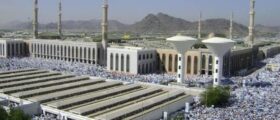
The plain of Arafat is one of the most important locations of Hajj. Pilgrims gather there on the Day of Arafah, spending time in prayer, remembrance, and supplication.
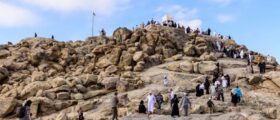
Jabal al-Rahmah, or the Mount of Mercy, stands within the plain. Although the entire area of Arafat is significant, the small hill itself should not be confused with the essential rites performed on the plain. For pilgrims, Arafat represents reflection, repentance, and sincere prayer.
A Journey Through Living History
The historical sites of Makkah connect modern pilgrims with generations of believers who came before them. Each location carries its own story, whether it recalls the devotion of Hajar, the mission of Prophet Muhammad, or the rituals of Hajj established through the legacy of Prophet Ibrahim.
Exploring these places with respect and reflection can transform a pilgrimage from a journey through physical locations into a journey through Islamic history and personal faith. For every pilgrim, Makkah offers the opportunity to remember the past while strengthening their spiritual connection in the present.


No Comments