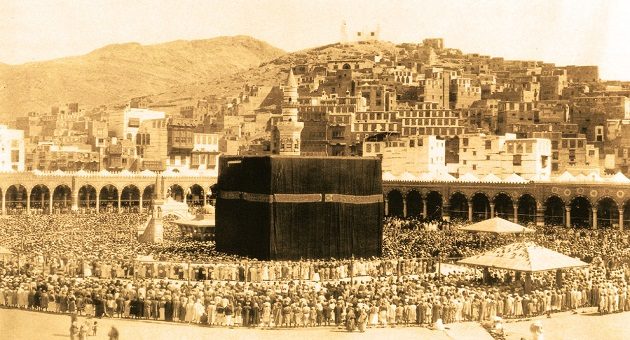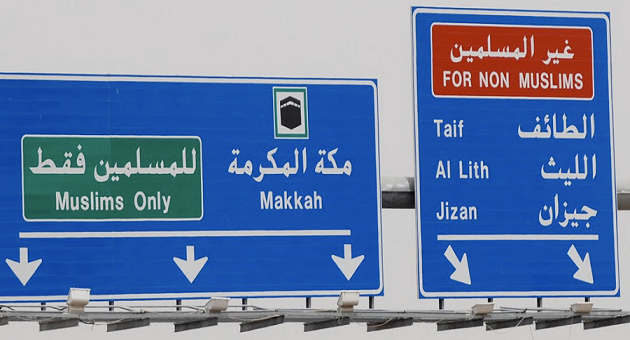
Mecca – home to the Kaaba, Islam’s holiest site, also called the House of God (Allah) – is situated in a tight valley in the Hijaz district (supposed as a result of the geology of its “Hijaz,” or “spine,” the Sarat Mountains, which comprises of volcanic pinnacles and profound discouragements) of Saudi Arabia, around 40 miles inland from the Red Sea coast. Non-Muslim visitors are banned in the Quran: “Oh you who believe! Truly the idolaters are unclean; so let them not, after this year, approach the Sacred Mosque. …” (9:28). This verse specifically refers to the Grand Mosque in Mecca. There is some discussion about the accurate zone and.
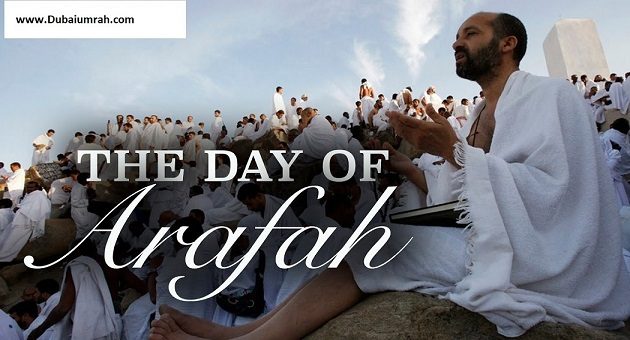
The Day of Arafat falls on the second day of journey customs. At first light on this day, almost 2 million Muslim travelers will advance from the town of Mina to a close-by slope and plain called Mount Arafat and the Plain of Arafat, which is situated about 12.5 miles (20 kilometers) from Mecca, the last goal for the journey. Muslims accept that it was from this site the Prophet Muhammad, harmony arrives, gave his celebrated Farewell Sermon in his last year of life. Each Muslim is relied upon to make the journey to Mecca once during their lifetime; the journey itself isn’t viewed as complete except if the stop.
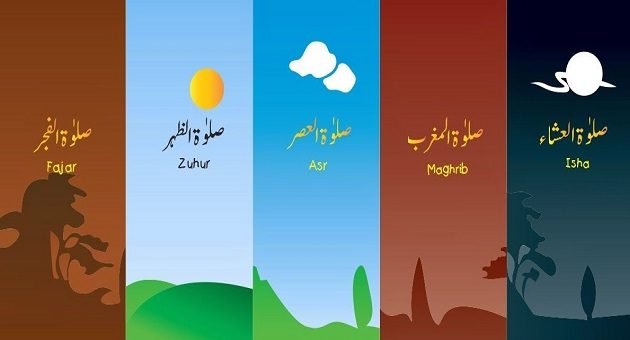
In Muslim people group, individuals are helped to remember the salat by the day by day calls to supplication, known as adhan. The adhan is conveyed from mosques by a muezzin, the mosque’s assigned guest of supplication. During the call to the petition, the muezzin presents the Takbir and the Kalimah. Traditionally, the calls were produced using the mosque’s minaret without intensification, however, numerous cutting edge mosques use amplifiers so the reliable can hear the call all the more unmistakably. The supplication times themselves are managed by the position of the sun. Fajr: This prayer starts off the day with the remembrance of God; it is performed before sunrise. Dhuhr:.
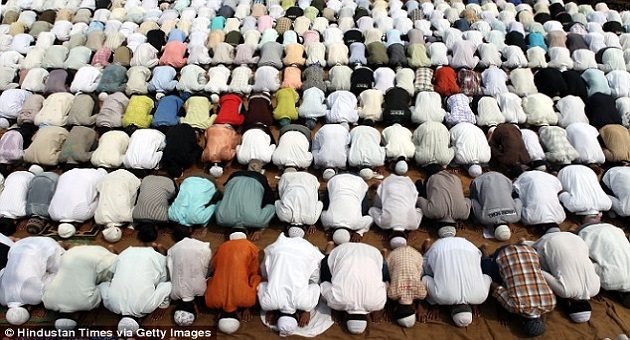
Similarly as with different religions, Muslims must-watch explicit ceremonies as a component of their day by day petitions. Before asking, Muslims must be clear of the psyche and of the body. Islamic educating expects Muslims to take part in formal washing (wudu) of the hands, feet, arms, and legs, called Wudhu, before supplicating. Admirers should likewise be dressed unassumingly in clean apparel. When the Wudhu has been finished, it’s a great opportunity to discover a spot to supplicate. Numerous Muslims implore at mosques, where they can impart their confidence to other people. In any case, any peaceful spot, even a side of an office or home, can be utilized for.
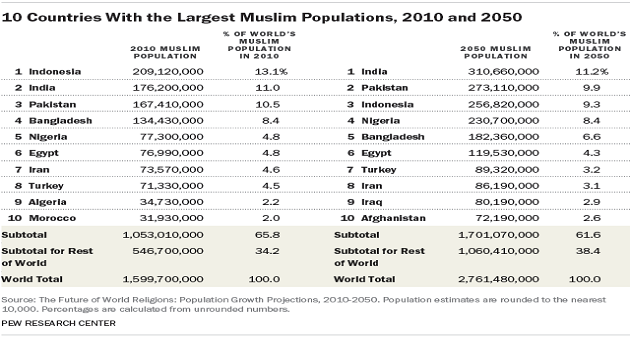
Starting at 2017, there are about 1.8 billion Muslims on the planet, as indicated by the Pew Research Center; together, they make up almost one-fourth of the total populace, making Islam the world’s second-biggest religion after Christianity. Inside the second 50% of this century, Muslims are required to turn into the world’s biggest religious gathering. The Pew Research Center gauges that by 2070, Islam will surpass Christianity, because of quicker birth rate (2.7 youngsters per family versus 2.2 for Christian families). Starting in 2017, Islam is the quickest developing religion on the planet. The Muslim populace is an assorted network of devotees spreading over the globe. More than fifty nations.
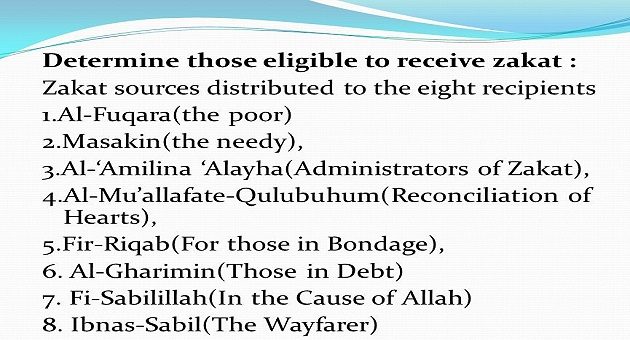
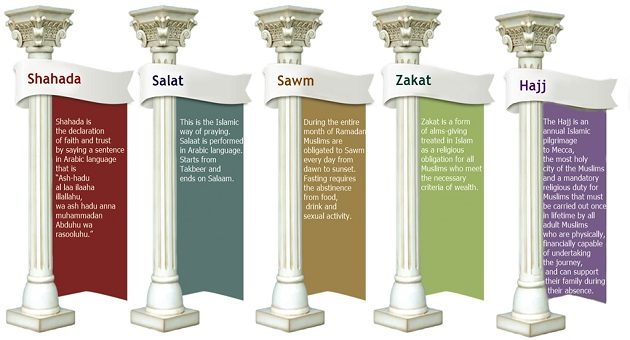
Providing for philanthropy is one of the five “pillars” of Islam. Muslims who have riches staying toward the part of the arrangement after paying for their very own essential needs are required to pay a specific rate to help other people. This routine with regards to almsgiving is called Zakat, from an Arabic word which means both “to purify” and “to grow.” Muslims accept that providing for others cleans their very own riches, expands its worth, and makes one perceive that all that we have is a trust from God. Paying Zakat is expected of each grown-up Muslim man or lady who has an abundance of a specific least sum..
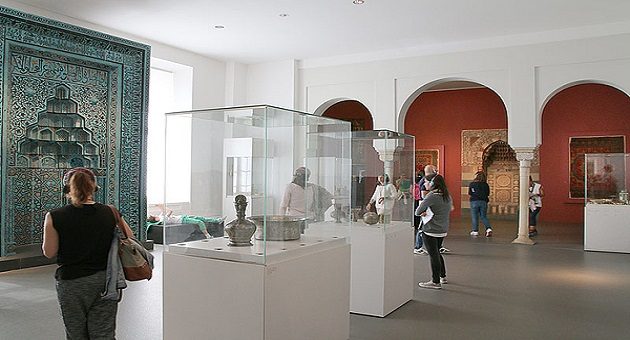
The Museum of Islamic Art (Museum hide Islamische Kunst) is situated inside Berlin’s Pergamon Museum. Its gathering ranges from old pre-Islamic materials to the 1900s. It contains some well known and one of a kind shows, for example, the Umayyad Place façade from Mshatta, Jordan, and emphasis because of Chinese earthenware production on Middle Eastern structure. The gathering ranges in root from over the Mediterranean area, the Middle East, and Central Asia. Early Islamic history is displayed through the dividers, homes, and castles from Samarra (cutting edge Iraq), and the domains of the primary caliphs of Islam. Different ancient rarities incorporate enlivening mihrab (supplication specialties) from Iran and Turkey, a.
The “five mainstays of Islam” are religious obligations that give a system to a Muslim’s life. These obligations are performed consistently and envelop obligations to God, to individual profound development, to think about poor people, self-restraint, and penance. In Arabic, “arkan” (columns) give structure and hold something consistent live Pillars of Islamic setup. They offer help, and all must be available for the structure to adjust relentlessly. The articles of confidence give an establishment, addressing the topic of “what do Muslims accept?” The Five Pillars of Islam help Muslims to structure their lives around that establishment, responding to the topic of “how do Muslims certify their confidence in everyday life?”.
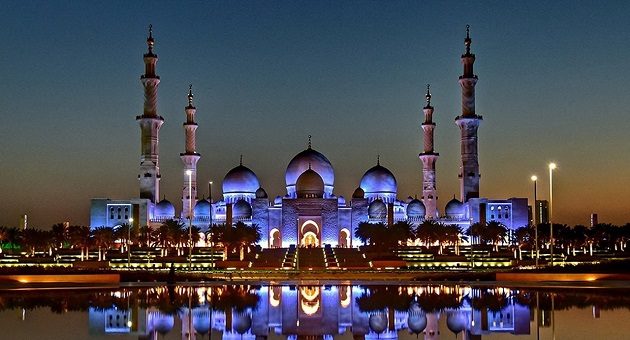
“Mosque” is the English name for a place of Muslim Worship, identical to a congregation, synagogue or sanctuary in different religions. The Arabic expression for this place of Muslim worship is “masjid,” which actually signifies “spot of surrender” (in supplication). Mosques are otherwise called Islamic focuses, Islamic public venues or Muslim public venues. During Ramadan, Muslims invest a great deal of energy at the masjid, or mosque, for uncommon petitions and network occasions. A few Muslims like to utilize the Arabic expression and demoralize utilization of “mosque” in English. This is incompletely founded on a mixed-up conviction that the English word is gotten from “mosquito” and is a disdainful term..
Consistently, Muslims from everywhere throughout the world participate in the biggest assembling on Earth, the Hajj, or journey to Mecca. The Hajj is a religious commitment that each Muslim must satisfy, assuming monetarily and physically capable, in any event once in their lifetime. During these notable days, white, dark-coloured and dark individuals, rich and poor, rulers and workers, people, old and youthful will all remain before God, all siblings and sisters, at the holiest of sanctuaries in the focal point of the Muslim world, where all will call upon God to acknowledge their great deeds. Nowadays speak to the pinnacle of each Muslim’s lifetime. The Hajj takes after the re-authorization.