



An Umrah journey to Makkah is much more than a visit to a new city. It is a deeply spiritual experience that allows Muslims to worship, reflect, and connect with the history of Islam. While the primary purpose of the trip is to perform Umrah and spend time in Masjid al-Haram, Makkah also has several important historical and religious places worth visiting. Exploring these locations can add greater meaning to your pilgrimage and help you understand the remarkable events connected with the city.
1. Masjid al-Haram and the Holy Kaaba
The heart of every Umrah trip is Masjid al-Haram. At its center stands the Holy Kaaba, toward which Muslims around the world turn during prayer. Pilgrims perform Tawaf around the Kaaba and complete Sa’i between Safa and Marwah as part of Umrah. Even outside the rituals, spending quiet moments in the mosque, offering prayers, reading the Quran, and making dua can become some of the most memorable parts of your journey.
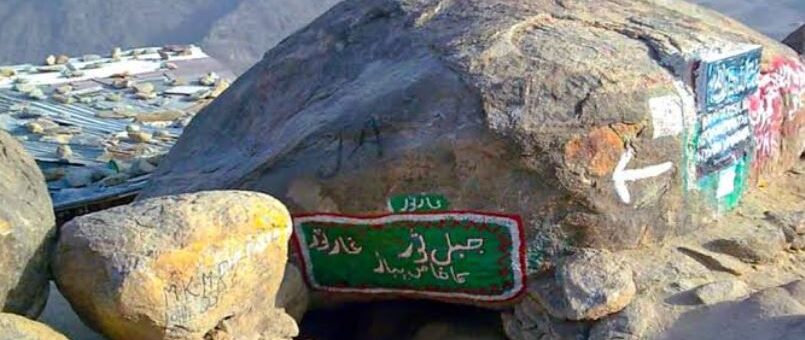
2. Jabal al-Noor and the Cave of Hira
Jabal al-Noor is one of Makkah’s most famous mountains and is closely connected with the beginning of Quranic revelation. The Cave of Hira, located on the mountain, is remembered as the place where Prophet Muhammad ﷺ received the first revelation.
The mountain is steep and requires considerable physical effort, so visitors should think carefully about their fitness, weather conditions, and available time before attempting the climb. For many pilgrims, simply seeing the mountain and reflecting on its history is meaningful.
3. Jabal Thawr and the Cave of Thawr
Another historically significant mountain is Jabal Thawr. Its cave is associated with the migration of Prophet Muhammad ﷺ and Abu Bakr رضي الله عنه toward Madinah. The story is a powerful reminder of patience, courage, trust in Allah, and perseverance during difficult circumstances.
The climb can be challenging, particularly in hot weather. Visitors who do not feel comfortable hiking can appreciate the mountain from a distance.
4. Arafat and Jabal al-Rahmah
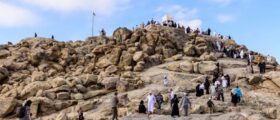
The plain of Arafat is one of the most significant locations associated with Hajj. During an Umrah trip, visiting the area can provide an opportunity to reflect on the importance of repentance, humility, and devotion. Jabal al-Rahmah, commonly known as the Mount of Mercy, is a well-known landmark within the Arafat area.
Although the rites performed there belong to Hajj rather than Umrah, the location has enormous historical and spiritual significance.
5. Mina
Mina is another important part of the sacred landscape surrounding Makkah. It is particularly associated with the Hajj pilgrimage and the days spent there by pilgrims. Seeing Mina can help Umrah visitors gain a better understanding of the wider pilgrimage experience and the historical traditions of Islam.
6. Muzdalifah
Muzdalifah is located between Arafat and Mina and is another major Hajj site. A visit here offers pilgrims an opportunity to think about the simplicity and humility that are central to Islamic pilgrimage. The open landscape provides a striking contrast to the busy streets and modern buildings of central Makkah.
7. Jannat al-Mu’alla
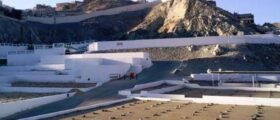
Jannat al-Mu’alla is an historic cemetery in Makkah associated with several important figures from the early history of Islam. Visiting such places can encourage reflection on life, death, sacrifice, and the people who played important roles in the early Muslim community.
8. Makkah’s Islamic Museums and Cultural Attractions
If you want a break from outdoor visits, consider exploring Makkah’s museums and cultural attractions. Exhibitions related to the Quran, the Two Holy Mosques, Islamic heritage, and the history of Makkah can provide valuable context for your journey.
Making the Most of Your Visit
Remember that sightseeing should never overshadow the main purpose of Umrah. Plan your visits around prayer times, avoid exhausting yourself, stay hydrated, and choose suitable transportation. Some historical locations involve difficult climbs, so there is no need to visit every site.
Ultimately, the beauty of an Umrah trip lies not in how many places you see, but in how deeply you experience the journey. Makkah’s sacred sites can turn a simple visit into an opportunity for reflection, gratitude, and a stronger connection with Islamic history.


No Comments