



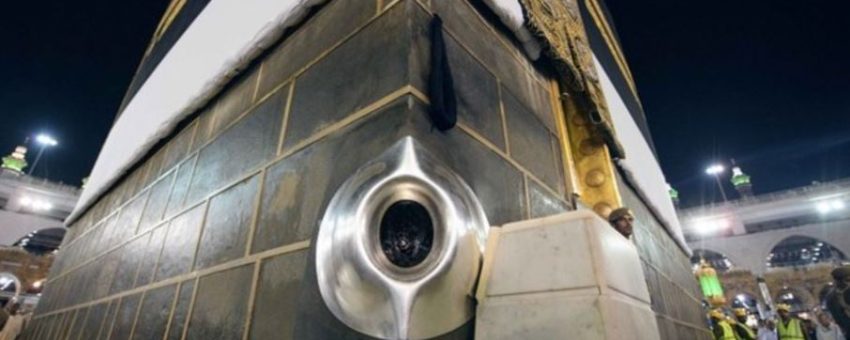
The Black Stone, or Hajar al-Aswad, holds a place of unparalleled significance in Islam. Nestled in the eastern corner of the Kaaba in the sacred city of Makkah, this blessed stone is one of the most revered relics for Muslims across the world. For pilgrims embarking on their spiritual journey through various Umrah Packages 2025, the chance to see or touch the Black Stone is a deeply emotional and unforgettable moment. Understanding its history, spiritual meaning, and importance in Islamic rituals can enrich the experience of every pilgrim visiting the Holy Mosque.
The Origin and History of the Black Stone
The Black Stone is believed to have descended from Paradise. According to Islamic tradition, it was originally pure and white but turned black due to absorbing the sins of those who touched it over the centuries. The Prophet Ibrahim (Abraham) and his son Ismail (Ishmael) are said to have placed the stone in its current position during the construction of the Kaaba, making it an integral part of the world’s most sacred site in Islam.
Throughout history, the Black Stone has witnessed several events — from being removed and restored to surviving damage caused by natural wear and human conflict. Despite this, its presence continues to symbolize the unity and continuity of faith that connects Muslims throughout time.
Physical Description and Structure
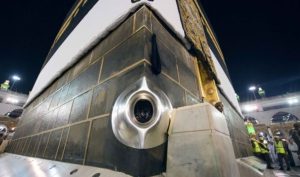
Today, the Hajar al-Aswad is composed of several pieces, held together and encased in a silver frame. This frame, beautifully set into the eastern wall of the Kaaba, helps preserve the stone from further deterioration. The visible part of the Black Stone is about 30 centimeters in diameter, but it has been reduced from its original size over centuries of veneration by millions of pilgrims.
When pilgrims approach the Kaaba during Tawaf—the ritual of circumambulating the Kaaba—the Black Stone marks the starting and ending point of each round. Muslims try to kiss, touch, or at least point toward it as a gesture of love and reverence for the Sunnah of the Prophet Muhammad (peace be upon him).
The Spiritual Significance of the Black Stone
For Muslims, the Black Stone is not an object of worship but a revered symbol of Allah’s mercy and the Prophet’s legacy. When pilgrims touch or kiss the stone, they follow the tradition of Prophet Muhammad (peace be upon him), who himself kissed it during his pilgrimage.
The act signifies love, respect, and obedience to the teachings of Islam. It is also a reminder of the eternal covenant between Allah and His servants. Many scholars explain that touching or pointing toward the Black Stone during Umrah represents a renewal of faith and submission to Allah.
For those traveling from the UAE, various Umrah Package by Air from Dubai options allow pilgrims to fulfill this sacred Sunnah conveniently and comfortably. Whether by air or by road, each journey to Makkah offers believers the opportunity to strengthen their bond with Allah through sincere devotion and reflection.
The Role of the Black Stone in Umrah and Hajj
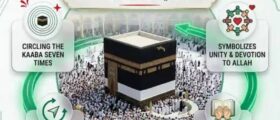
During Umrah or Hajj, pilgrims perform Tawaf—circling the Kaaba seven times counterclockwise. The Black Stone marks the starting point of this ritual. Each time a pilgrim passes the stone, they raise their right hand, saying “Bismillah, Allahu Akbar,” which means “In the name of Allah, God is the Greatest.”
If possible, pilgrims may kiss the stone, but due to the massive crowds, this is often difficult. In such cases, it is enough to point toward it from a distance. The Prophet Muhammad (peace be upon him) emphasized that this simple gesture carries the same reward and intention as physically touching the stone.
For pilgrims planning their spiritual trip from the UAE, affordable Umrah Package by Bus from Dubai options are available, providing comfortable travel to Makkah while allowing them to witness the sacred rituals firsthand.
Symbolism of Purity, Forgiveness, and Unity
The Black Stone holds profound symbolism in Islam. Its darkened color, believed to result from absorbing the sins of humankind, serves as a reminder of Allah’s boundless mercy and forgiveness. It also symbolizes purity and the opportunity for spiritual renewal that every Muslim seeks during Umrah and Hajj.
Moreover, the act of millions of Muslims from different races, cultures, and nations striving to touch or look upon the same sacred stone highlights the unity of the Ummah (the global Muslim community). It is a moment when differences dissolve, and all hearts align in devotion to the One Creator.
Pilgrims embarking on their journey with an Umrah Visa from Dubai UAE often find themselves deeply moved by this universal sense of brotherhood. The Black Stone, thus, becomes more than a physical relic—it is a living emblem of the oneness of Islam.
Historical Preservation and Restoration Efforts
Throughout history, the Black Stone has faced several challenges, including damage and even theft. During the 10th century, it was stolen by a sect and later returned to the Kaaba after two decades. Since then, preservation has been a top priority for the custodians of the Holy Mosque.
Modern restoration techniques and a protective silver casing ensure that the stone remains secure and accessible for millions of visitors each year. The Saudi authorities continuously maintain the Kaaba’s structure, including the area surrounding the Black Stone, to preserve its sanctity and safety for pilgrims.
Pilgrim Etiquette and Guidance for Visiting the Black Stone
Approaching the Black Stone requires patience, humility, and respect. Due to the large crowds, pilgrims are advised not to push or cause harm to others in their attempt to reach it. Islam emphasizes that intentions are what truly matter — so even if one cannot physically touch the Black Stone, the reward of sincere intention remains intact.
Pilgrims traveling through organized Umrah Packages 2025 can benefit from professional guidance, ensuring that all rituals, including Tawaf, are performed correctly and safely. Many tour providers include experienced group leaders who help pilgrims navigate the sacred areas without difficulty.
Experiencing the Black Stone During Umrah
For many believers, standing before the Kaaba and gazing at the Black Stone is a life-changing moment. It signifies the culmination of years of longing and devotion. Whether you are traveling via an Umrah Package by Air from Dubai or embarking on a road journey through an Umrah Package by Bus from Dubai, the experience of being in proximity to the Black Stone offers spiritual rejuvenation like no other.
Every pilgrim who gazes upon the Hajar al-Aswad feels a deep connection to the earliest days of Islam, reliving the footsteps of Prophet Ibrahim, Prophet Ismail, and Prophet Muhammad (peace be upon them).
Conclusion
The Black Stone (Hajar al-Aswad) stands as a timeless symbol of faith, unity, and divine mercy. Its rich history and spiritual importance remind Muslims that every act of devotion—whether touching, kissing, or simply looking at the stone—is an expression of love for Allah and His Messenger.
For anyone preparing for their spiritual journey, securing an Umrah Visa from Dubai UAE and choosing the right Umrah Packages 2025 is the first step toward experiencing the magnificence of the Black Stone and the sacred Kaaba. As millions continue to visit Makkah each year, the Black Stone remains a beacon of faith that unites hearts and souls in devotion to the Almighty.




No Comments